
How Often Does a Septic Tank Need Cleaning?
The honest answer: it depends on how many people live in the house and how big the tank is. A small household with a properly sized tank can stretch toward 5 years between visits. A full house on an undersized tank might need attention closer to every 3 years. That range comes straight from tank capacity and daily water use, nothing exotic about it. If East Los Angeles homeowners want a firm number for their specific setup, our crew can measure and tell you where you land, and the full porta potty rental side of our business can also help if you need temporary facilities during that visit. This is different from a grease interceptor, which gets pumped once fats, oils, grease and solids reach 25 percent of the liquid depth, a totally separate maintenance clock. If you run a restaurant or commercial kitchen instead of a home system, that's the schedule for you, and you'll want grease trap pumping instead of a residential timeline. For most East Los Angeles households, septic tank cleaning frequency comes down to tank size, household headcount, and how much laundry and dishwashing runs through the pipes every week.
What Happens If You Wait Too Long?
Solids build up faster than most people expect, and once they pass the outlet baffle, they clog the drain field, and that repair costs far more than a pumping visit ever would. Waiting past the 5 year mark on a full household tank is how a routine service call turns into an emergency one. Watch for slow drains, gurgling pipes, or wet spots near the tank; those are the tank talking to you, much like the checklist on our porta potty rental checklist page for tracking service dates. If it's already backing up, don't wait on a scheduled visit; call for emergency septic service instead. Our septic pumping service handles both the routine 3 to 5 year visits and the calls that come in after something's already gone wrong. Between pump-outs, keep an eye out for the signs covered on our septic tank warning signs page, things like standing water, sewage odor, or unusually green grass over the drain field. Catching it early is the difference between a normal service fee and a full system repair.
Why Does Household Size Change the Schedule?
Every load of laundry, every shower, every flush adds water and solids to the tank, so more people means faster fill-up. A household of two might stretch a 1,000 gallon tank toward the 5 year end. A household of six is going to push that same tank toward pumping every 3 years, sometimes sooner if there's a garbage disposal in the mix, since food waste adds solids that water alone doesn't. This is basic math on capacity versus load, not guesswork, similar to how we size a portable restroom rental order against headcount for an event. If you've added people to the house, remodeled to add a bathroom, or started running a home business with more sink and toilet use, it's worth rechecking your interval rather than assuming the old schedule still holds. For anyone weighing the cost of staying on schedule against the cost of an emergency call, our septic tank pumping cost page breaks down what a routine visit runs versus what happens when a system backs up.
Do You Need a Holding Tank While the System Is Serviced?
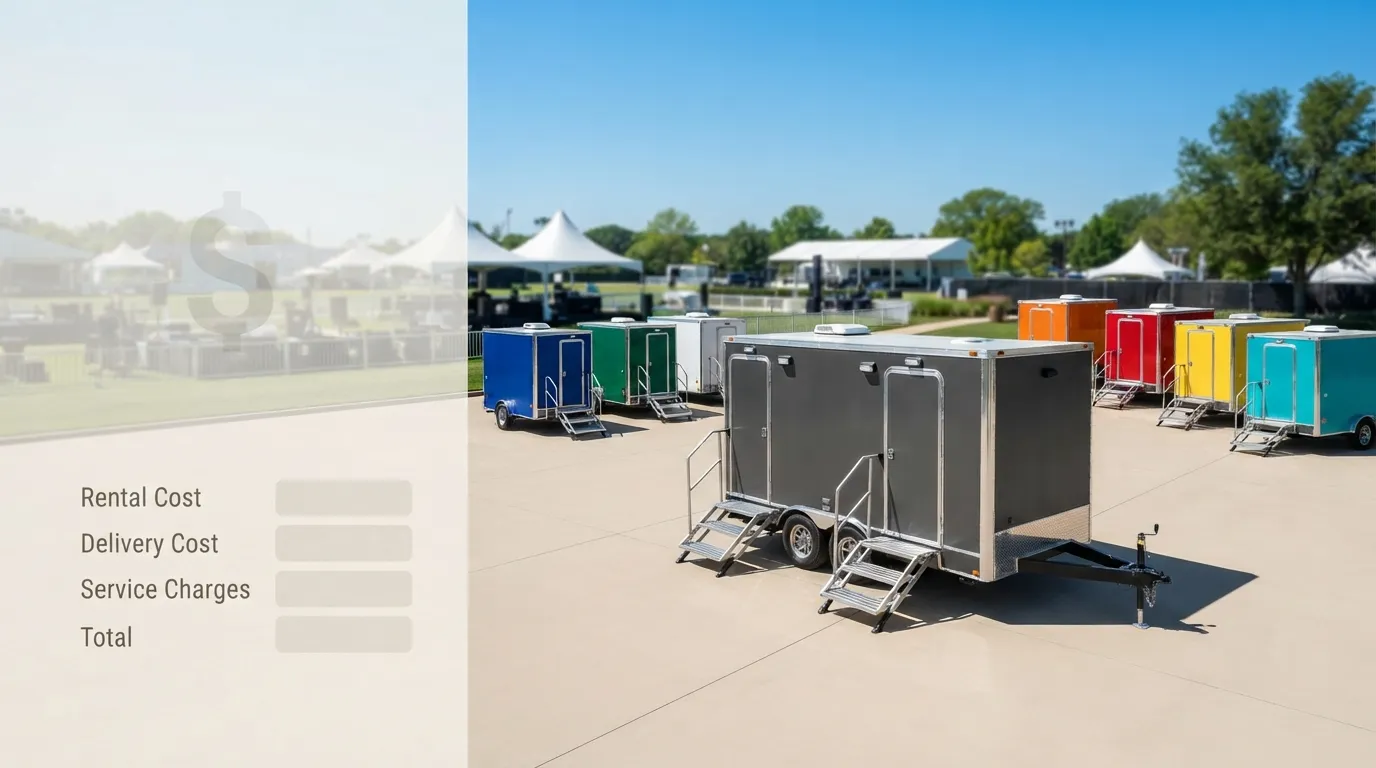
Yes, if your home's only bathroom is out of service during pumping or repair, a temporary setup keeps the household running. We deliver holding tank rental units for exactly this gap, and for construction or remodel work happening on the same property, a standard porta potty rental covers the crew while plumbing is disrupted, with a deluxe flushable porta potty available if the household wants something closer to indoor comfort. Standard unit rental in East Los Angeles runs in line with regional pricing for daily, weekly, and monthly terms:
| Unit | Day | Week | Month |
|---|---|---|---|
| Standard portable toilet | $100 to $350 | $130 to $500 | $125 to $325 |
| ADA accessible unit | $200 to $400 | $200 to $400 | not typically monthly |
If your renovation project needs both a temporary toilet and a place to haul debris, pair it with a roll-off dumpster rental and check dumpster rental cost before you book, and review dumpster sizes and dimensions to pick the right container for demo debris. Homeowners doing a full remodel around a septic repair often add a home renovation porta potty to keep the job site covered while the system's down. For agricultural properties in East Los Angeles with septic systems serving hand-labor crews, OSHA 1928.110 sets a separate field sanitation standard, one facility per 20 employees within a quarter mile walk, worth checking against your setup if you're running a working farm alongside residential use, and our farm and agricultural restrooms page covers that gap, and general OSHA portable toilet requirements are worth a look if the property also has a construction crew on it. East Los Angeles sits close enough to several service areas that a same-day holding tank drop is realistic; Monterey Park is 2.7 miles northeast and Alhambra is 5.0 miles northeast of most East Los Angeles addresses we serve, and our service areas page lists the full coverage zone.
How do I know if my septic tank needs pumping now?
Slow drains, gurgling sounds, sewage smell near the tank, or soggy ground over the drain field all point to a tank that's full or close to it. Don't wait for a full backup. If you're seeing any of these, book service now rather than sticking to a calendar date.
Does household size really change the pumping schedule that much?
Yes. A two-person home might go 5 years between pump-outs, while a six-person home on the same size tank often needs service every 3 years. Water use and solids load scale directly with occupants.
Can I use a garbage disposal with a septic system?
You can, but it adds solids to the tank faster, which shortens your interval. Households running a disposal regularly should lean toward the 3 year end of the schedule rather than assuming 5 years is safe.
What's the difference between septic pumping and grease trap pumping?
Septic pumping clears a residential tank on a 3 to 5 year cycle based on household use. Grease trap pumping happens whenever fats, oils, and grease hit 25 percent of the tank's liquid depth, which can be far more frequent in a commercial kitchen.
Do I need a permit to have my septic tank pumped in East Los Angeles?
Permit and access rules can vary by property and situation, and that's worth confirming directly rather than guessing. Contact us through request a quote or contact, check our frequently asked questions page for more, and we'll walk you through what your service visit needs.
Next step
Get a delivery date
Tell us the address, the dates and the headcount. We size the order and confirm the route.